

At-Home IV Therapy In Manhattan Beach For Convenient Medical Hydration
At-home IV therapy refers to the administration of fluids, electrolytes, and nutrients through an intravenous line in a non-clinical setting, typically coordinated by licensed medical professionals. In areas where daily routines are often tightly scheduled, the ability to receive hydration support without traveling to a facility can change how individuals manage recovery, fatigue, or fluid loss. The process mirrors what would occur in a traditional outpatient environment, but is adapted to a home setting with appropriate safeguards.
This model is not designed to replace hospital-based care or emergency treatment. Instead, it supports situations where controlled hydration is appropriate, and where convenience, timing, and continuity of care play a role in decision-making. Understanding how at-home IV therapy functions helps clarify when it may be used and what it can realistically provide.
What At-Home IV Therapy Involves
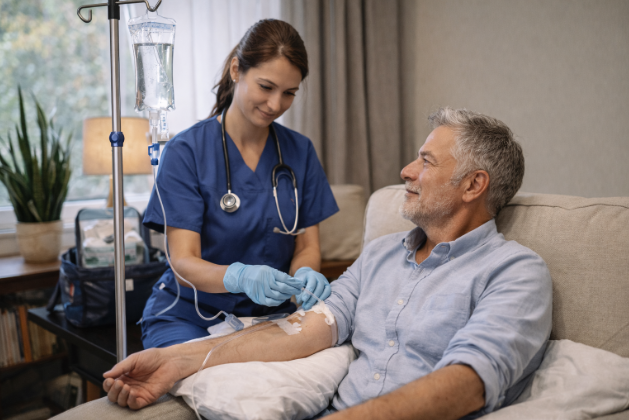 At-home IV therapy begins with a clinical assessment, often conducted remotely or upon arrival, to determine whether the individual is an appropriate candidate. Medical history, current symptoms, and hydration status are reviewed before proceeding. If suitable, a trained provider establishes intravenous access and administers fluids at a controlled rate.
The setup includes sterile equipment, single-use components, and monitoring protocols similar to those used in outpatient settings. While the environment is more familiar than a clinic, the procedure itself follows established medical standards. The goal is to deliver fluids directly into the bloodstream, allowing for efficient absorption without relying on the digestive system.
Situations Where Medical Hydration May Be Considered
Medical hydration is typically considered when oral intake is insufficient, poorly tolerated, or too slow to address symptoms. Common scenarios include dehydration due to illness, recovery from physical exertion, or fluid imbalance following travel or heat exposure. In these cases, the body may require more immediate replenishment than oral fluids can provide.
At-home IV therapy can also be used in cases where individuals experience persistent nausea, difficulty retaining fluids, or fatigue linked to dehydration. However, it is not intended for severe or unstable conditions. Situations involving significant medical risk still require evaluation in a hospital or urgent care setting.
How Delivery At Home Changes Access To Care
Receiving IV therapy at home removes several logistical barriers that can delay care. Travel time, waiting periods, and scheduling constraints are reduced, allowing hydration support to be administered when symptoms are most relevant. This can be particularly important when timing affects how quickly someone begins to recover.
The home setting also allows individuals to remain in a controlled, familiar environment during treatment. For some, this reduces stress and makes it easier to rest during the infusion. While the medical process remains the same, the surrounding conditions may improve overall comfort and adherence to the session.
Understanding The Role Of Licensed Medical Providers
At-home IV therapy is not a self-administered service. It requires licensed professionals trained in intravenous access, sterile technique, and patient monitoring. These providers are responsible for assessing suitability, initiating treatment, and observing for any adverse responses during the session.
Clinical oversight is essential, even in a home environment. Providers must be prepared to manage complications such as infiltration, sensitivity reactions, or unexpected changes in vital signs. The presence of trained personnel distinguishes medical hydration from informal or unregulated alternatives.
What A Typical At-Home Session Looks Like
A typical session begins with a review of health information and a brief physical assessment. Once eligibility is confirmed, the provider prepares the equipment and inserts a small catheter into a vein, usually in the arm. Fluids are then administered over a set period, often ranging from 30 to 60 minutes, depending on the formulation and individual tolerance.
During the infusion, the provider monitors the individual’s response and adjusts the rate if necessary. After completion, the IV line is removed, and basic aftercare instructions are provided. The structure of the session is consistent, regardless of location, ensuring that medical standards are maintained.
Differences Between Oral Hydration And IV Hydration
Oral hydration relies on the digestive system to absorb fluids, which can be effective in many cases but may be slower or limited by symptoms such as nausea or gastrointestinal discomfort. IV hydration bypasses this process, delivering fluids directly into circulation.
This direct delivery can be beneficial when rapid rehydration is needed or when oral intake is not feasible. However, IV hydration is not inherently superior in all cases. For mild dehydration, oral fluids may be sufficient and more appropriate. The choice depends on the individual’s condition and response to standard hydration methods.
When At-Home IV Therapy May Not Be Appropriate
 There are situations where at-home IV therapy is not suitable. Severe dehydration, uncontrolled medical conditions, or symptoms suggesting underlying complications require evaluation in a clinical facility. IV therapy at home is not equipped to replace emergency diagnostics or advanced interventions.
Individuals with certain medical histories, including complex cardiovascular or renal conditions, may also require closer supervision than a home setting can provide. Proper screening helps ensure that IV therapy is used within safe and appropriate boundaries.
How Convenience Interacts With Medical Decision-Making
Convenience is often a factor in choosing at-home services, but it does not override clinical judgment. The decision to proceed with IV therapy should be based on medical need, not just availability. In practice, this means that even if at-home options are accessible, they are only used when aligned with safe treatment criteria.
For individuals balancing demanding schedules, reducing the time required to access care can make it easier to address early symptoms before they worsen. This does not replace proper diagnosis, but it can support timely intervention in appropriate cases.
Integration With Mobile IV Therapy Services
At-home IV therapy is typically delivered through structured mobile care systems that coordinate scheduling, provider dispatch, and clinical protocols. These systems ensure that equipment, medications, and documentation standards are consistent across different locations.
In the context of an at-home IV therapy service, the focus remains on controlled hydration delivered in a way that aligns with established medical practices. The mobile model extends access, but the underlying clinical framework remains unchanged, maintaining continuity between home-based and facility-based care.
