

IV Therapy Vs Oral Hydration: Which Is More Effective
Hydration plays a central role in maintaining normal physiological function. The human body relies on adequate fluid levels to regulate temperature, support circulation, transport nutrients, and remove metabolic waste. When dehydration occurs, even at mild levels, physical and cognitive performance can decline.
Most people restore hydration by drinking water or electrolyte solutions. In certain medical or clinical contexts, fluids may instead be administered intravenously. Comparing these two approaches requires understanding how the body absorbs fluids, how quickly hydration can be restored, and when each method may be appropriate.
How Oral Hydration Works In The Body
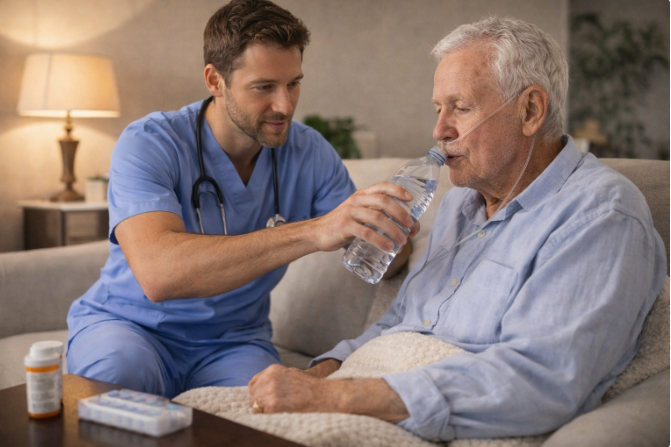 Oral hydration occurs when fluids are consumed through drinking and absorbed through the digestive system. After ingestion, fluids pass through the stomach and into the small intestine, where most water and dissolved electrolytes enter the bloodstream. From there, circulation distributes fluid throughout tissues and organs.
This process depends on several physiological steps. Gastric emptying must occur before fluids move into the intestine. Intestinal absorption then relies on functioning transport mechanisms that move water and electrolytes through the intestinal lining. Once absorbed, the body gradually restores fluid balance through circulation and cellular exchange.
For healthy individuals experiencing mild dehydration, this pathway is generally efficient. Water and electrolyte beverages can restore hydration when intake is sufficient, and the digestive system is functioning normally.
How Intravenous Hydration Works
Intravenous hydration introduces fluids directly into the bloodstream through a peripheral vein. Because the digestive system is bypassed, fluids and dissolved electrolytes become immediately available within the circulatory system.
This method is commonly used in hospitals and medical settings when rapid fluid replacement is necessary or when oral intake is limited. Examples include severe dehydration, vomiting that prevents fluid retention, surgical recovery, or certain medical conditions that impair absorption.
Clinical providers offering IV hydration services typically administer sterile fluids containing water, electrolytes, and sometimes vitamins or minerals, depending on the formulation used.
Absorption Speed And Bioavailability
One of the primary differences between oral hydration and intravenous hydration is the speed at which fluids become available to the body. Oral fluids must move through the digestive system before entering circulation. This introduces a delay that can vary depending on stomach contents, metabolic factors, and gastrointestinal function.
Intravenous fluids bypass this pathway entirely. Because the solution is delivered directly into the bloodstream, hydration effects can begin as soon as fluid infusion starts. In clinical medicine, this direct delivery is often used when rapid restoration of circulating volume is required.
However, speed alone does not determine overall effectiveness in every situation. For individuals who are able to drink fluids normally and are experiencing mild dehydration, the body often restores fluid balance adequately through oral intake.
Electrolyte Balance And Nutrient Delivery
Hydration involves more than water alone. Electrolytes such as sodium, potassium, and chloride help regulate fluid movement across cell membranes and support nerve and muscle function. Both oral beverages and intravenous solutions may contain these electrolytes.
Sports drinks, oral rehydration solutions, and electrolyte powders are designed to improve fluid absorption by maintaining proper osmotic balance within the intestine. These formulations can help replace electrolytes lost through sweating, illness, or prolonged physical activity.
Intravenous fluids can deliver electrolytes in controlled concentrations directly into circulation. Medical professionals often select specific formulations depending on a patient’s electrolyte levels and clinical needs. This precision allows targeted correction of electrolyte imbalances when necessary.
Situations Where Oral Hydration Is Typically Sufficient
For most everyday situations, oral hydration remains the primary and most practical method for maintaining fluid balance. Drinking water regularly throughout the day generally meets the needs of healthy individuals.
Mild dehydration caused by exercise, heat exposure, or limited fluid intake can usually be corrected through increased oral fluid consumption. Electrolyte beverages may also support recovery when fluids have been lost through sweating.
The digestive system is well adapted to regulate fluid absorption and maintain equilibrium. When normal gastrointestinal function is present, oral hydration remains an effective and widely accessible approach.
Situations Where IV Hydration May Be Used
Intravenous hydration is commonly used in medical settings when oral hydration is not feasible or when rapid fluid restoration is necessary. Severe dehydration caused by illness, persistent vomiting, or gastrointestinal disorders may prevent adequate fluid intake.
Hospital patients recovering from surgery or trauma may also require intravenous fluids to maintain circulation while oral intake is temporarily restricted. In these contexts, IV hydration provides controlled fluid replacement under medical supervision.
Certain outpatient wellness settings also administer IV hydration in structured environments. In these cases, the goal is often to restore fluid balance or deliver specific nutrients directly into the bloodstream.
Limitations And Considerations For Each Method
 Both hydration approaches have practical considerations. Oral hydration requires the digestive system to function normally and relies on an individual’s ability to consume sufficient fluids. In some illnesses, nausea or gastrointestinal distress can make drinking fluids difficult.
Intravenous hydration requires clinical equipment, trained personnel, and sterile procedures to safely administer fluids. While commonly performed in medical settings, it involves venous access and monitoring to ensure proper fluid delivery.
Because of these factors, IV hydration is generally used in controlled environments and may not be necessary for routine hydration needs in healthy individuals.
Effectiveness Depends On Context And Hydration Needs
Determining which method is more effective depends largely on the context in which hydration is needed. Oral hydration works well for routine fluid maintenance and mild dehydration when the digestive system can absorb fluids normally.
Intravenous hydration becomes more relevant when rapid fluid replacement is required or when oral intake is impaired. In these circumstances, direct delivery into circulation can restore fluid balance more efficiently.
Understanding how each method functions helps clarify why both approaches exist. Rather than competing methods, they serve different purposes depending on the individual’s physical condition and the urgency of hydration needs.
Physiological Goals Of Hydration In Medical And Wellness Contexts
Regardless of the method used, the physiological objective remains the same: restoring or maintaining appropriate fluid balance within the body. Adequate hydration supports circulation, temperature regulation, cellular metabolism, and organ function.
The body continuously adjusts fluid levels through complex mechanisms involving the kidneys, hormones, and electrolyte balance. Hydration strategies aim to support these regulatory systems when normal intake or fluid retention becomes disrupted.
Whether fluids are consumed orally or administered intravenously, effectiveness ultimately depends on how well the method addresses the specific hydration challenge a person is experiencing.
