

Mobile IV Therapy Vs In-Clinic IV Therapy In Los Angeles
IV hydration therapy can be delivered in two primary ways: through a mobile service that comes to the patient or within a clinical setting such as a medical office or infusion center. Both approaches rely on the same core principle of delivering fluids, electrolytes, and nutrients directly into the bloodstream. The differences lie in how care is accessed, how it is monitored, and what type of patient experience each model supports.
How Mobile IV Therapy And In-Clinic IV Therapy Differ Structurally
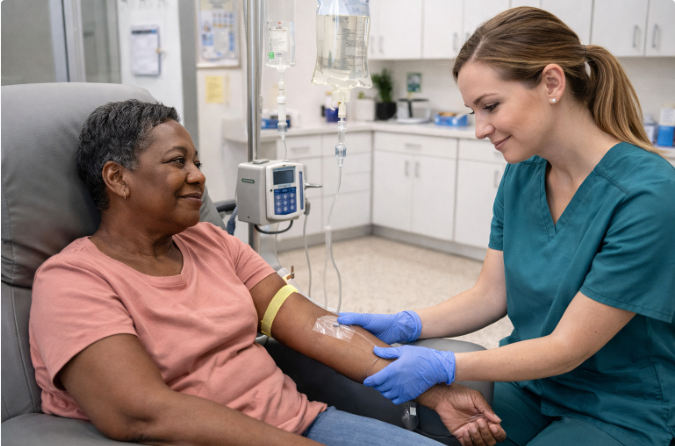 Mobile IV therapy is designed around convenience and location flexibility. A licensed provider travels to the patient’s home, hotel, or workplace, bringing the necessary equipment to administer treatment. The setup is typically temporary and tailored to the immediate environment, with adjustments made based on available space and patient comfort.
In-clinic IV therapy operates within a fixed medical setting. Equipment, monitoring tools, and supplies are standardized and consistently available. Patients travel to the facility, where treatment is administered in a controlled environment with access to additional medical resources if needed.
Clinical Oversight And Monitoring Differences
In-clinic settings often provide a higher level of continuous monitoring, particularly for patients with more complex medical needs. Staff may have immediate access to advanced equipment, diagnostic tools, and additional personnel. This environment can be better suited for patients who require closer observation or have underlying health conditions that need careful management.
Mobile IV therapy still involves trained medical professionals, but monitoring is more limited to what can be reasonably transported and used in a non-clinical environment. For generally healthy individuals seeking hydration or nutrient support, this level of oversight is often sufficient, though it may not match the depth of monitoring available in a clinic.
Convenience And Accessibility Considerations
One of the most noticeable differences is how each option fits into a person’s schedule. Mobile IV therapy eliminates the need for travel, waiting rooms, and appointment logistics associated with clinics. This can be particularly relevant for individuals with demanding schedules, limited mobility, or temporary conditions that make travel uncomfortable.
In contrast, in-clinic therapy requires patients to visit a designated location. While this adds a layer of structure and predictability, it also introduces time considerations such as transportation, check-in processes, and potential delays depending on clinic volume.
Environment And Patient Comfort
The treatment environment can influence how patients perceive the experience. Mobile IV therapy allows individuals to remain in familiar surroundings, which may reduce stress or discomfort. Patients can choose their seating, lighting, and level of privacy, which can contribute to a more relaxed experience during treatment.
In-clinic environments are designed for efficiency and safety rather than personalization. While many clinics aim to provide a comfortable setting, the experience is shared with other patients and follows a more standardized structure. For some individuals, this clinical setting reinforces a sense of medical reliability, while others may find it less comfortable than a private space.
Suitability Based On Medical Needs
The choice between mobile and in-clinic IV therapy often depends on the complexity of the patient’s condition. Individuals seeking basic hydration, vitamin supplementation, or recovery support may find mobile services appropriate, especially when their overall health is stable.
Patients with chronic illnesses, ongoing medical treatments, or higher-risk conditions may benefit from in-clinic care. The availability of additional equipment and immediate medical support can be important when there is a greater need for supervision or intervention.
Types Of Treatments Typically Offered
Both mobile and in-clinic providers offer a range of IV formulations, including fluids with electrolytes, vitamins, and other supportive compounds. The core treatments are often similar, but clinics may have a broader range of specialized therapies due to their access to more extensive resources.
Mobile providers tend to focus on commonly requested treatments that can be administered safely outside a clinical environment. For example, many patients explore options like IV therapy treatment for general wellness support, where the requirements are straightforward and do not require advanced clinical infrastructure.
Response Time And Scheduling Flexibility
Mobile IV therapy can offer faster access in certain situations, particularly when same-day or on-demand services are available. This may be relevant for individuals experiencing dehydration, fatigue, or mild illness who prefer to receive care without delay.
In-clinic services typically operate on scheduled appointments, which can provide structure but may limit immediate availability. Some clinics accommodate walk-ins, but capacity and wait times can vary depending on demand and staffing levels.
Infection Control And Safety Environment
 Clinical settings are designed with infection control protocols in mind, including sterilization processes, controlled air systems, and dedicated treatment areas. These measures are especially important for patients with weakened immune systems or those undergoing more intensive treatments.
Mobile IV therapy relies on portable sterilization practices and adherence to medical standards within a non-clinical environment. While trained providers follow strict hygiene protocols, the level of environmental control is inherently lower than in a dedicated medical facility.
Cost Structure And Resource Allocation
The cost of IV therapy can vary based on the delivery model. Mobile services often include travel and convenience fees, reflecting the time and logistics required to bring care directly to the patient. This can make the service more expensive on a per-visit basis, though it may offset indirect costs such as travel or time away from work.
In-clinic therapy may have lower base costs due to centralized operations and shared resources. However, patients may still incur additional expenses related to transportation and time commitments, which can influence the overall cost comparison.
Consistency Of Care And Follow-Up
In-clinic care often provides more structured follow-up, particularly when treatment is part of an ongoing medical plan. Patients may see the same providers regularly, and their progress can be tracked within a centralized system. This continuity can be beneficial for managing longer-term health concerns.
Mobile IV therapy can also offer repeat services, but continuity may vary depending on provider availability and scheduling. While patient records are typically maintained, the experience may be less standardized compared to a clinic that operates within a fixed care team and facility.
