

What Are the Benefits of NAD+ IV Therapy?
NAD+ IV therapy delivers nicotinamide adenine dinucleotide directly into the bloodstream, bypassing the digestive system to achieve cellular concentrations that oral supplements cannot match. The result is a measurable increase in a coenzyme that every cell in your body depends on for energy production, DNA repair, and metabolic regulation. If you’ve been researching this treatment, you’re probably wondering whether the benefits are real and who actually sees them. The short answer: yes, and the science explains why.
What Is NAD+ and Why Does It Matter?
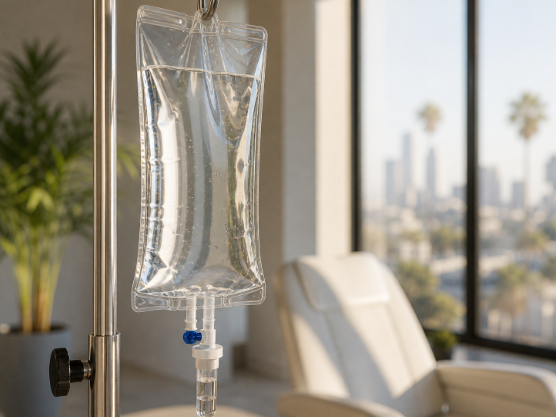 NAD+ (nicotinamide adenine dinucleotide) is a coenzyme found in every living cell. It plays a central role in converting nutrients into usable energy through a process called cellular respiration. It also activates sirtuins, a class of proteins linked to longevity, inflammation regulation, and DNA repair.
The problem is that NAD+ levels decline with age. According to research published in Cell Metabolism, NAD+ concentrations in human tissue can drop by as much as 50% between the ages of 40 and 60. Chronic stress, alcohol use, sleep deprivation, and illness accelerate that decline further. When NAD+ falls, cells lose efficiency. That loss shows up as fatigue, slower recovery, cognitive fog, and reduced resilience to stress.
IV administration restores those levels faster and more completely than any oral route. The digestive tract converts most ingested NAD+ precursors before they reach the bloodstream. An IV infusion bypasses that conversion entirely and delivers the coenzyme where it’s needed.
The Core Benefits of NAD+ IV Therapy
Energy at the Cellular Level
Fatigue that doesn’t respond to sleep is often a cellular energy problem, not a sleep problem. NAD+ sits at the center of the mitochondrial process that generates ATP, the energy currency your cells run on. When NAD+ levels are restored through IV therapy, mitochondrial function improves, and ATP production increases. People commonly report a noticeable shift in sustained energy within 24 to 48 hours of a session, distinct from the sharp spike and crash of caffeine.
Mental Clarity and Cognitive Function
The brain is one of the most metabolically demanding organs in the body. It consumes roughly 20% of the body’s total energy despite representing only 2% of body weight. NAD+ supports the neuronal processes behind focus, memory formation, and processing speed. Some of the most consistent feedback from NAD+ IV therapy patients is cognitive: clearer thinking, better recall, and reduced mental fatigue during demanding work. This has made the treatment popular among executives, creatives, and anyone navigating high cognitive loads.
Cellular Repair and Anti-Aging Pathways
NAD+ is a required cofactor for PARP enzymes, which detect and repair DNA damage. It also activates sirtuins, proteins that regulate gene expression, reduce inflammation, and are closely associated with healthy aging in research models. Elevated NAD+ levels support the cellular housekeeping processes that slow down as we age. This is not a cosmetic claim. It’s a mechanistic one backed by active research at institutions including Harvard Medical School and the National Institute on Aging.
Faster Physical Recovery
Athletes and active people use NAD+ IV therapy to shorten recovery windows after intense training or competition. The mechanism is straightforward: muscle repair requires energy, and energy production requires NAD+. When cells have adequate NAD+ to work with, they clear metabolic byproducts faster and rebuild tissue more efficiently. The treatment pairs well with other recovery protocols and doesn’t require downtime. Many patients schedule sessions after long travel, heavy training blocks, or periods of physical depletion.
Mood Regulation and Stress Resilience
NAD+ influences neurotransmitter synthesis, including serotonin production. Low NAD+ has been associated with increased stress reactivity and mood instability in preclinical studies. Patients receiving NAD+ IV therapy often describe improved mood stability and reduced anxiety in the days following a session. While this is not a treatment for clinical depression or anxiety disorders, the metabolic support it provides to the nervous system is real and measurable at the cellular level.
Support During Addiction Recovery
NAD+ IV therapy has been used in integrative addiction recovery settings for decades. The rationale is that substance use depletes NAD+ significantly, impairing the brain’s ability to regulate dopamine and manage withdrawal symptoms. Restoring NAD+ levels helps support neurochemical rebalancing during the early stages of recovery. This application requires medical supervision and is not a standalone treatment, but it has a meaningful evidence base within integrative medicine.
Who Gets the Most from NAD+ IV Therapy
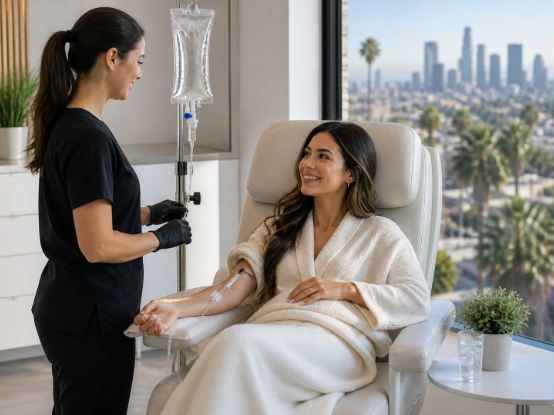 This treatment isn’t one-size-fits-all. The people who report the strongest results tend to fall into a few clear groups:
- Adults over 40 experiencing age-related energy decline and cognitive slowing
- High performers with demanding schedules who need sustained mental and physical output
- Athletes looking to accelerate recovery between training sessions or competitions
- People recovering from illness, surgery, or prolonged stress that has depleted their reserves
- Anyone in early recovery from alcohol or substance use under the guidance of a medical provider
- Individuals experiencing long-COVID symptoms, including fatigue and brain fog
Healthy adults in their 20s and 30s can benefit too, particularly those under significant physical or cognitive stress. But the gains are most pronounced where the baseline deficit is greatest.
If any of those descriptions apply to you, the NAD+ IV therapy offered by Doctor Drip IV Hydration is administered by trained medical staff with protocols tailored to your goals and tolerance.
What a NAD+ IV Session Actually Looks Like
NAD+ infusions are typically slower than standard hydration drips. The infusion rate matters because NAD+ administered too quickly can cause chest tightness, nausea, or muscle cramping. A standard session runs between two and four hours, depending on the dose. The rate is adjusted based on how the patient responds.
The process is straightforward. A nurse or medic places an IV, confirms the infusion is running comfortably, and monitors throughout the session. Most patients read, work, or rest during the infusion. There’s no recovery period afterward. Most people feel functional or noticeably improved within hours of finishing.
Sessions are typically done as a series initially. A common starting protocol is two to four infusions over the first two weeks, followed by monthly maintenance depending on goals.
How NAD+ IV Therapy Compares to Oral Supplements
Oral NAD+ precursors like NMN and NR have become widely available and do raise NAD+ levels over time with consistent use. The distinction is speed and bioavailability. Oral supplementation works gradually over weeks or months. IV delivery achieves a full therapeutic dose in a single session. For someone managing a specific event, recovery period, or acute depletion, the IV route is meaningfully faster.
The two approaches are not mutually exclusive. Some patients use IV sessions to restore depleted levels quickly and use oral supplements to maintain between sessions. Your provider can advise on what makes sense for your situation.
Is NAD+ IV Therapy Safe?
 NAD+ is a naturally occurring compound. It’s not a drug and does not carry the risks associated with pharmaceutical interventions. Side effects are primarily infusion-rate related: slowing the drip resolves them quickly. Serious adverse events are rare.
Contraindications are limited but real. Patients with active malignancies are generally advised to hold off, as NAD+ supports cellular proliferation pathways that could theoretically accelerate tumor growth. Anyone with kidney disease should discuss dosing with a physician first. A brief intake assessment before your first session addresses these questions.
The National Institutes of Health has an ongoing body of research on NAD+ metabolism and supplementation safety. The current evidence base supports IV administration in healthy adults as a low-risk intervention with meaningful metabolic benefit.
Frequently Asked Questions About NAD+ IV Therapy Benefits
How soon do you feel the effects of NAD+ IV therapy?
Most people notice something within 24 to 48 hours after their first infusion. Energy and mental clarity are usually the first changes reported. The full effect of a session tends to build over several days as cellular processes respond to restored NAD+ levels. The experience becomes more pronounced and consistent after a series of sessions.
How often should you get NAD+ IV therapy?
For initial restoration, two to four sessions over the first two weeks is a common starting protocol. Monthly maintenance sessions are typical for people using the treatment for ongoing energy, cognitive support, or anti-aging benefits. Athletes may schedule sessions around competition or heavy training cycles. Your provider will recommend a frequency based on your goals and response to the first session.
Can NAD+ IV therapy help with brain fog?
Yes, brain fog is one of the most commonly reported symptoms that responds to NAD+ IV therapy. The mechanism is metabolic: neurons depend on NAD+ for energy production and the maintenance of proper neurochemical function. Brain fog caused by chronic stress, illness recovery, aging, or sleep deprivation often reflects a cellular energy deficit. Restoring NAD+ levels addresses that deficit directly. This is distinct from brain fog caused by structural neurological conditions, which require different treatment.
Is NAD+ IV therapy worth it for someone in their 30s?
It depends on what you’re dealing with. If you’re in good health with no particular complaints, the benefit will be modest. If you’re managing high cognitive demands, training heavily, recovering from illness, or experiencing stress-related depletion, the treatment can provide noticeable support even in your 30s. NAD+ decline begins earlier than most people expect, and stress accelerates it significantly.
What is the difference between NAD+ and NAD+ precursors like NMN?
NMN (nicotinamide mononucleotide) and NR (nicotinamide riboside) are precursor molecules that the body converts into NAD+. They’re effective when taken orally over time. NAD+ IV therapy delivers the coenzyme directly, bypassing the conversion step. The result is faster, higher peak NAD+ levels than oral precursors achieve. For acute restoration or therapeutic goals, IV is the more direct route. For long-term maintenance, oral precursors are a practical complement.
Does NAD+ IV therapy help with long-COVID fatigue?
This is an area of active clinical interest. Long-COVID is associated with mitochondrial dysfunction and systemic inflammation, both of which are mechanisms that NAD+ directly supports. Some integrative medicine providers have incorporated NAD+ IV therapy into long-COVID recovery protocols. The evidence base is still developing, but the biological rationale is sound, and patient-reported outcomes have been promising. It’s worth discussing with a provider who can evaluate your specific symptom profile.
Doctor Drip IV Hydration serves Los Angeles, West Hollywood, Beverly Hills, Culver City, Santa Monica, Silver Lake, and surrounding communities.
Doctor Drip IV Hydration
1086 S Fairfax Avenue, Los Angeles, CA 90048
(424) 229-2329
If you’ve read this far and recognize yourself in the benefits described, the next step is a conversation. Doctor Drip IV Hydration brings NAD+ IV therapy directly to you with mobile service across Los Angeles. Call Now (424) 229-2329 to ask whether it’s the right fit for where you are right now.
